By Sam Kensinger
When you think of the word “leadership,” what comes to mind? For many people, the first thought is of someone in a position of power, barking orders and making decisions that affect everyone else. But effective leadership doesn’t have to be about being bossy and domineering. There are actually five different styles of leadership, each with its own advantages and disadvantages. Knowing which style works best for a particular situation is essential for any young leader looking to make an impact.

The 5 Leadership Styles
If you’ve ever read a self-help book or taken a business class, you’re probably familiar with some of these leadership styles. Directive leaders are the take-charge types who tell people what to do and expect them to do it. Supportive leaders are more collaborative, offering help and guidance while still allowing others to take the lead. Participative leaders solicit input from their team before making decisions, while delegating leaders delegate authority to others and trust them to get the job done. Finally, there’s laissez-faire leadership, which is characterized by a hands-off approach and minimal involvement in decision-making. While there are advantages and disadvantages to each style, the key is to find the one that best fits your personality and the needs of your team.

Each style has its own strengths and weaknesses
Directive Leadership
The directive leadership style is often seen as the “traditional” approach to leadership. Directive leaders are those who provide clear expectations and instructions to their team, and they typically maintain a high level of control over workflow and decision-making. This leadership style can be a good fit for certain situations, such as when there is a need for quick results or when there is a lack of clarity about the team’s direction. However, directive leadership can sometimes lead to conflict and tension, as team members may feel that they are not being given the opportunity to fully contribute to the project. At times, directive leaders find it difficult to adjust their approach in response to changing circumstances. The directive leadership style is not without its weaknesses. Nevertheless, when used in the right context, this style of leadership can be a successful in getting things done.
Supportive Leadership
The supportive leadership style is all about creating a supportive environment in which employees feel valued and appreciated. This leadership style is often a good fit for small businesses, where employee morale is essential to success. However, the supportive leadership style can also lead to failure if the leader is too involved or inquisitive. Employees may feel micromanaged, leading to resentment and low productivity. In addition, the supportive leadership style may not be effective in fast-paced environments where quick decisions are needed. In these situations, a more assertive leadership style may be a better fit. Ultimately, whether the supportive leadership style is successful depends on the specific situation and the leader’s ability to strike the right balance.
Participative Leadership
The participative leadership style is one where the leader involves their team in the decision-making process. This can be a good fit for organizations or projects where success depends on buy-in from all involved. It can also be a good way to get everyone “hands on” with the project, so to speak. However, participative leadership can also lead to indecision and failure if not used correctly. For example, if there are too many cooks in the kitchen, so to speak, it can be difficult to come to a consensus. Additionally, a participative leadership style with no clear boundaries can make it difficult for the leader to maintain authority over their team. Ultimately, the participative leadership style can be successful, but it requires a delicate balance to make it work.
Delegation Leadership
The delegation leadership style is often lauded as an efficient use of resources – after all, why expend time and energy on tasks that others can handle just as well? Essentially, the leader assigns roles and sets rigid timelines, then steps back to let their team get on with the work. On the surface, this appears to be the perfect style for busy leaders who need to get things done quickly. However, delegation itself has potential downsides. First and foremost, the delegation of tasks or authority requires a great deal of trust. The leader must be confident that their team will be able to complete the task to the required standard and within the given timeframe. Delegation also requires constant communication – the leader must remain in close contact with their team in order to track progress and manage expectations. If the project is not carefully managed, it can quickly lead to frustration and conflict. Nevertheless, when used effectively, the delegation leadership style can be a powerful tool that can help leaders to get more done in less time.
Laissez-faire
Laissez-faire is a leadership style in which the leader takes a hands-off approach and trusting the team to be proficient. The laissez-faire leader provides little direction and offers minimal supervision, essentially letting the team run itself. While this style can be effective in certain situations, it can also be neglectful and uninvolved. laissez-faire leaders may be perceived as aloof or uncaring, which can damage morale and lead to poor performance. In addition, laissez-faire leaders may not be able to provide the strategic vision and direction that a team needs to be successful. When used sparingly and judiciously, laissez-faire leadership can be an effective tool, but it should not be relied upon too heavily.
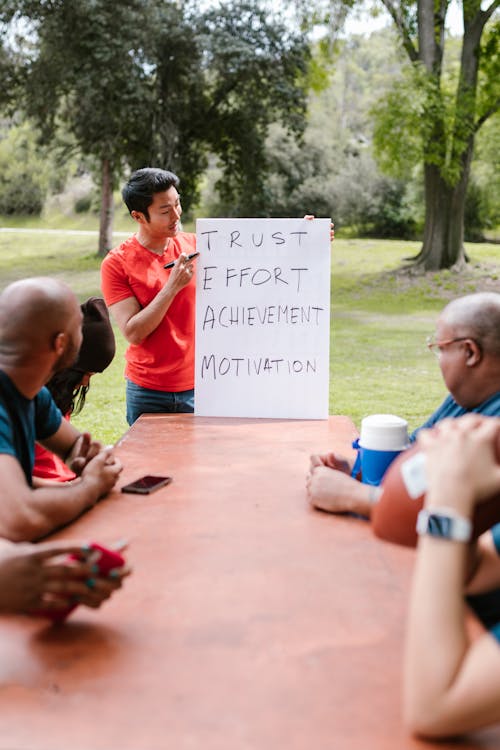
Young leaders should be aware of which style they naturally gravitate towards
As a young leader, it’s important to be aware of which style you naturally gravitate towards. If you are new to your leadership role, you should be wondering, are you laissez-faire, supportive, directive, participative or delegation? A strong leader can blend a mixture of all of these styles to achieve success; there is no singular leadership style that will work for every situation. This is especially true in a dynamic work setting where different situations may call for different approaches. As a new leader, you need to be tuned into your environment and adjust your style to fit the situation. This can only be done by being inquisitive and curious, with an open mind and willingness to compromise. So if you’re looking to hone your leadership skills, start by paying attention to your natural tendencies and see where you can make some adjustments.

Conclusion
Leaders who can adapt their style to fit the situation will be more successful than those who stick to a single way of leading. The 5 Leadership Styles, directive leadership, supportive leadership, participative leadership, Delegation Leadership, Laissez-faire, Young leaders should be aware of which style they naturally gravitate towards. Leaders need to be able to read the room and understand what type of leader is needed in order for the team to succeed. Leaders also need to be comfortable with change and willing to experiment with different styles in order to find what works best for them and their team. Ask your employees for feedback often; this will help you understand what type of leader your team needs and wants from you.
 Sam Kensinger