When it comes to managing a small team, there are a few things you need to keep in mind in order to get the best out of them. Managing small teams can be challenging, but it’s definitely worth it when you see your team achieve their goals. The first line supervisor is directly responsible for implementing the strategic vision of the organization. They can shift culture or drive revenue. Most new managers don’t fully recognize the gravity of their position and they end up having a negative effect on the business. The fact that you’re reading this, proves that you are an asset to your company. Keep that life-long learner mentality, as I share some tips that helped me as a junior level leader.
Define roles and responsibilities for each team member

So, you find yourself in a new leadership role. One of the first things you’ll need to do is define roles and responsibilities for each team member. This can seem like a daunting task, but it’s absolutely crucial to operating an effective operation. First, delegation is key. You can’t (and shouldn’t) try to do everything yourself. Give your team members unique roles that play to their strengths. Second, ask your team members what they want to do. They may have ideas about how they can contribute that you haven’t considered, and if they’re passionate about the activity they will need less oversight. Third, be clear about what you expect from each team member. You can’t blame someone for not executing on a task you didn’t explain in clear English what the desired outcome was. Defining roles and responsibilities is an important first step in effective team management – so be thorough and make sure you’re making a good match between the assigned role and the person you’re assigning to it.
Set goals and expectations for the team

If you’re filling a new leadership role, you’re starting with a blank slate with your team; even if you were once a member of that team yourself. It’s important to set goals and expectations for your team. Tracking success through milestone achievements, sprints, and rigid schedules will help you keep your team on track and motivated. Here are some tips to get the best out of your team:
Layout a Roadmap
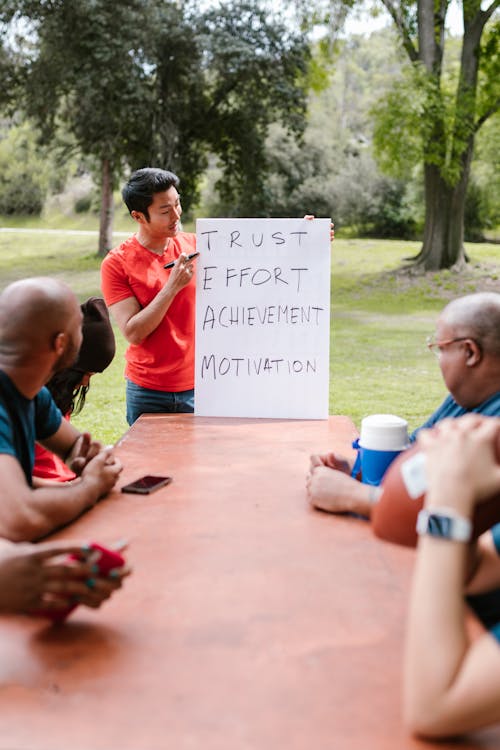
Define the milestones you want your team to achieve and layout a clear roadmap to help them get there. This should have accountability dates and should go for the duration of a project or program. You can call this anything; Milestones, goals, Objective Key Results, the important thing is that you get something up on the whiteboard for everyone to see.
Reward Success
Celebrate each milestone achievement with your team and offer incentives for accomplishing goals. Positive reinforcement is a far more powerful tool than the contrast. Ever heard the saying, you can catch more flies with honey than vinegar? That’s because honey tastes better! By the way, I am NOT saying buy a $25 gift card to target. Do something thoughtful, offer to let that employee run a project or give them a few hours of mentoring. Show that what has made you successful so far.
Be Flexible
Remember that your team is composed of individuals with different skills, strengths, and weaknesses. Be flexible in your approach and cater to the needs of each individual. This can be with schedules, as there are a lot of parents out there. It could also be work attire, different cultures ask for different things. Throw out the traditional management mindset that you need cookie cutter employees that toe the line. If they are effective, do what you can to accommodate their success.
Communicate Often
You need to give your team room to work but that doesn’t mean they are on autopilot. Check in as often as needed to make sure your team is well equipped for the tasks you’ve delegated. Keep your team updated on your progress and solicit feedback regularly. Encourage open communication and allow members to voice their concerns freely. An open door policy is highly recommended. This means that at any appropriate time, a team member can reach out with ideas or report project disruptions. This will enable you forecast potential issues. Which gets into my next point…
Encourage communication and collaboration among team members

The ability to create a working environment that encourages communication and collaboration among team members is an important skill for new leaders. By Encouraging effective communication, leaders can help build a more cohesive team that is better able to achieve its goals. The best way to create an environment where team members feel comfortable sharing their ideas and opinions, is by being receptive an open minded, especially in a public or group setting. Do this by encouraging team members to share their thoughts and feelings openly and by listening to their suggestions carefully, possibly even taking notes. When team members feel that their voices are being heard and that their ideas are valued, they will be more likely to work together effectively because they will not have that emotional reservation from being ridiculed in the past. This can be challenging. It will take time and repetitions, but the longer you consistently lead by example, the faster this will take hold. The “call out” environment is pretty toxic, in my opinion. Rather than humiliating an employee with underwhelming performance, pull them aside and find out what the issue is. It could be a simple fix, it could be that they aren’t a good fit for the position. Either way, it’s your job to properly motivate them.
Celebrate successes together, and learn from failures together

One way to celebrate success is to have an after-action report or debrief after each project. This is a chance for the team to come together and discuss what went well, what could be improved, and what lessons were learned. It’s also an opportunity for you as the leader to give feedback and praise.
Of course, it’s not all sunshine and roses – there will be times when things don’t go as planned. When that happens, it’s important to take a step back and learn from your mistakes. Mistakes are inevitable, but they can be invaluable learning experiences if you approach them the right way. So debrief after each failure too – what went wrong, and how can you prevent it from happening again? You need to remember as well that ultimately, as the leader of the group, the straps of failure are tailored to your shoulders – not the teams.
Give employees the opportunity to grow and develop their skills

As a new leader, it’s important to give employees the opportunity to grow and develop their skills. One way to do this is to offer time for team members to attend free workshops, webinars, or classes. You can also find out if your employer will sponsor a tuition assistance program or off-site training programs. If you’re in marketing, put someone on your team through an SEO course. If you manage a sales team, teach a class on list building, or put someone on your team in a Sandler program. The more you invest in the skills and aptitude of your team, the more efficient and successful they will be.
Another way to help your team members refine their skills is to block off some time each week for them to work on personal development projects. This could include taking an online course, working on a blog or side project, or reading industry-related articles and books. If you placed the right person in the right role, then they have a level of passion about what they do. There will be a residual benefit to their work, if this is implemented the right way. By investing in the growth of your team members, you’ll set them up for success–and ensure that your team is always ahead of the curve.
Conclusion
When you have the right team, it is easy to stay on track and get things done. By assigning roles with clear responsibilities, establishing goals that everyone can understand (and helping them achieve those goals), rewarding success rather than just distributing rewards randomly throughout the year; you’ll find yourself surrounded by happy and loyal employees. Most importantly: give your workers opportunities for personal growth so they’re always eager about coming into work every day because their skills are growing too.
All-in-all, I would say these tips are manageable.



 Sam Kensinger